A good peanut noodles recipe should be quick, balanced, and easy to adjust. At its simplest, peanut noodles are cooked noodles tossed with a creamy peanut-based sauce, usually built from peanut butter, soy sauce, acid, sweetness, and enough warm water to make it silky. Once you understand that balance, you can make a bowl that is rich but not heavy, savory but bright, and ready in well under 30 minutes.
This guide walks through the core method, exact ingredient ideas, useful substitutions, and the small details that stop the sauce from turning too thick or clumpy. It also covers food safety, allergy notes, and ways to serve peanut noodles hot, warm, or chilled.
What makes peanut noodles so good?
Peanut noodles work because they combine several tastes and textures at once. The peanut element brings richness and body. Soy sauce adds salt and depth. A little sugar or honey rounds out bitterness and sharpness. Vinegar or lime juice cuts through the richness. Chili adds heat if you want it. When mixed properly with warm water, the sauce becomes smooth enough to coat noodles evenly instead of sitting in heavy lumps.
The result can be simple and comforting or bright and punchy, depending on how you season it. It is also a practical meal: you can add vegetables, tofu, chicken, shrimp, or keep it plain.
Ingredients for a reliable peanut noodles recipe
You do not need a long ingredient list. The essentials are noodles, a peanut base, salty seasoning, acid, sweetness, and liquid.
For the noodles
- 250 g dried noodles, such as wheat noodles, ramen, udon, rice noodles, spaghetti, or linguine
- Water for boiling
Almost any long noodle can work. Wheat noodles usually give the chewiest result, while rice noodles make the dish feel lighter. If using rice noodles, follow the package instructions carefully because over-soaking or overcooking can make them fragile.
For the sauce
- 120 g smooth peanut butter (about 1/2 cup)
- 45 ml soy sauce (3 tablespoons)
- 15 to 30 ml rice vinegar or lime juice (1 to 2 tablespoons)
- 15 ml honey, maple syrup, or sugar (1 tablespoon)
- 10 to 15 ml sesame oil (2 to 3 teaspoons), optional but useful for aroma
- 1 small garlic clove, finely grated or minced
- 5 to 10 g fresh ginger, finely grated, optional
- 2.5 to 5 ml chili oil, chili flakes, or chili paste (1/2 to 1 teaspoon), optional
- 60 to 120 ml warm water (1/4 to 1/2 cup), added gradually
Smooth peanut butter is easiest for a silky sauce, but natural peanut butter also works. If it has separated, stir it thoroughly first. Unsweetened peanut butter gives you more control over the final flavor.
Optional add-ins and toppings
- Sliced cucumber
- Shredded carrots
- Steamed broccoli
- Scallions
- Sesame seeds
- Crushed peanuts
- Fresh cilantro
- Pan-fried tofu
- Shredded cooked chicken
- Cooked shrimp
If you are serving guests, remember that peanuts are a common allergen. Keep toppings and sauces clearly separated if there is any uncertainty, and check labels on soy sauce, chili pastes, and noodle products for allergen information relevant to your region.
How to make peanut noodles step by step
This method makes about 2 to 4 servings, depending on whether you serve it as a main meal or a side.
- Boil the noodles. Bring a large pot of water to a boil. Cook 250 g noodles according to the package instructions until just tender. Reserve about 120 ml (1/2 cup) of the cooking water before draining.
- Make the sauce. In a mixing bowl, combine peanut butter, soy sauce, vinegar or lime juice, sweetener, sesame oil if using, garlic, ginger, and chili. Add 60 ml (1/4 cup) warm water and whisk until smooth. Add more warm water, a little at a time, until the sauce is creamy and pourable.
- Taste and adjust. Check the balance. If it tastes too salty or too intense, add a little more warm water. If it feels flat, add more acid. If it is too sharp, add a little more sweetener or peanut butter.
- Toss with the noodles. Add the drained noodles to a large bowl. Pour over most of the sauce and toss well. If the noodles seem tight or sticky, add a splash of reserved noodle water until glossy and evenly coated.
- Add vegetables or protein. Fold in any prepared vegetables, tofu, chicken, or shrimp. Toss again so everything is coated.
- Finish and serve. Top with scallions, sesame seeds, crushed peanuts, or herbs. Serve warm, at room temperature, or chilled.
Safety note: Use care when draining boiling water to avoid steam burns and splashes. Keep knife work stable by using a dry cutting board and a sharp knife; blunt knives slip more easily than sharp ones.
How to get the sauce texture right
The most common problem with peanut noodles is sauce that is too thick. Peanut butter firms up quickly, especially when it meets cooler ingredients. The fix is simple: use warm water and add it gradually.
Start thicker than you think
Make the sauce concentrated at first, then loosen it. Noodles release a little starch and absorb sauce as they sit, so a very thin sauce can become watery. Aim for the texture of pouring cream: fluid enough to coat, not so loose that it pools at the bottom of the bowl.
Use warm water, not cold
Warm water helps the peanut butter blend smoothly with soy sauce and acid. Cold water can make the sauce seize slightly and take longer to smooth out.
Reserve noodle water if you can
Starchy noodle water helps the sauce cling. This is especially useful with wheat noodles and pasta. If using noodles prepared by soaking rather than boiling, plain warm water is fine.
Toss while the noodles are still warm
Warm noodles help the sauce spread more evenly. If the noodles have cooled and clumped, rinse briefly with warm water or dip them quickly in hot water, then drain and toss.
Flavor balance: the simple formula
If you want to adapt the dish without relying on a strict recipe, use this basic framework:
- Rich: peanut butter
- Salty: soy sauce or tamari
- Sharp: rice vinegar or lime juice
- Sweet: honey, sugar, or maple syrup
- Aromatic: garlic, ginger, sesame oil
- Heat: chili oil, flakes, or paste
- Texture control: warm water or noodle water
If the sauce tastes heavy, increase the acid. If it tastes harsh, add a little more sweetener or peanut butter. If it tastes dull, it may need a little more salt or soy sauce. If it tastes good in the bowl but bland on the noodles, the sauce is often too thick or too little has been used.
Best noodles to use
Many noodles work well, but they behave differently.
Wheat noodles
These are often the best all-purpose option. They are springy, hold sauce well, and are easy to toss. Fresh or dried both work.
Udon
Thick, chewy udon gives a hearty bowl. Because the noodles are substantial, you may want a little extra sauce.
Rice noodles
These are good if you want a lighter texture or need a wheat-free option. Check packaging carefully, as cooking methods vary by brand and thickness.
Spaghetti or linguine
These are practical substitutes if that is what you have. The dish will feel less traditionally noodle-based, but the sauce still works very well.
Easy variations
Cold peanut noodles
After draining, rinse the noodles under cold water until fully cool, then drain well. Use a slightly looser sauce because chilled noodles tighten up. Cucumber, carrots, and herbs work especially well here.
Spicy peanut noodles
Increase the chili oil or add chili crisp, fresh sliced chilies, or a spoonful of chili paste. Add heat gradually so it does not overpower the peanut flavor.
Peanut noodles with vegetables
Add quick-cooking vegetables such as shredded cabbage, spinach, bean sprouts, or finely sliced bell pepper. For firmer vegetables like broccoli or green beans, blanch them briefly so they stay bright and tender.
Peanut noodles with tofu
Pat tofu dry before cooking so it browns rather than steams. If using a nonstick pan, follow the pan manufacturer’s heat guidance. Hot oil can spit, so lower tofu in carefully and keep water away from the pan.
Peanut noodles with chicken or shrimp
Use fully cooked chicken or properly cooked shrimp. If reheating leftovers, make sure they are piping hot throughout before serving hot. If serving chilled, cool cooked proteins promptly and keep them refrigerated.
Common mistakes and how to fix them
The sauce is too thick
Whisk in more warm water, 1 tablespoon at a time. Toss again before adding more, because noodles can loosen the sauce as they are mixed.
The sauce is clumpy
Whisk the sauce separately before it goes near the noodles. If needed, let the peanut butter warm slightly at room temperature so it blends more easily.
The noodles are sticky
They may be overcooked or left sitting too long after draining. Toss them with the sauce promptly. If they have clumped, loosen with warm water.
The flavor is too salty
Add more peanut butter, sweetener, and warm water. A little extra lime juice can also rebalance the flavor, but do not add too much acid without reducing the saltiness first.
The flavor is flat
Add a little more soy sauce for salt, vinegar or lime for brightness, and sesame oil or ginger for aroma. Flatness is often a balance issue rather than a need for more of everything.
Serving ideas
Peanut noodles can be a main meal, a side dish, or part of a larger spread.
- Serve warm with steamed greens and tofu for an easy dinner.
- Serve chilled with cucumber and herbs for a packed lunch.
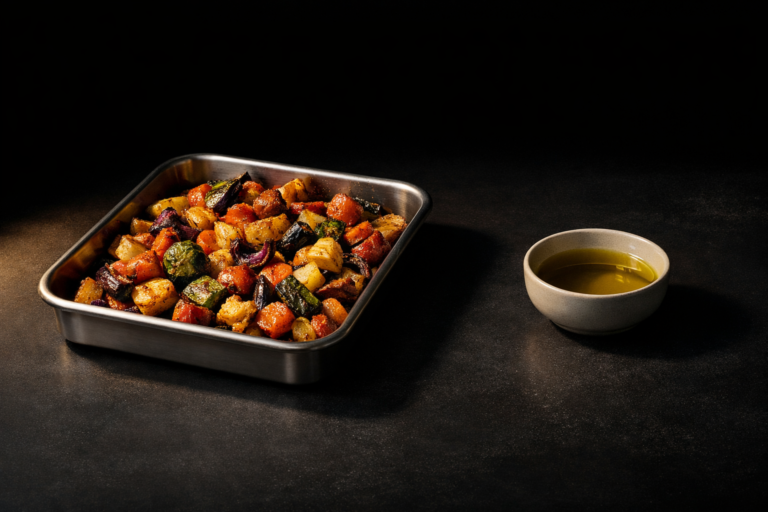
- Pair with grilled or roasted vegetables for contrast.
- Top with a jammy or soft-boiled egg if you eat eggs, taking normal care with egg safety according to local guidance.
If packing for later, cool the noodles promptly and refrigerate. Food safety advice varies slightly by region, but in general, cooked noodles and peanut sauce should not be left at room temperature for extended periods.
How to store and reheat peanut noodles
Store leftovers in a covered container in the refrigerator. They are usually best within 2 days for texture, although exact storage guidance depends on any added proteins or vegetables.
To reheat
Warm gently in a pan or microwave-safe dish with a splash of water. Stir well so the sauce loosens evenly. Microwaves vary, so heat in short bursts and stir between each one to avoid hot spots.
To serve cold later
If the noodles have firmed up in the refrigerator, toss them with a little warm water first, then let them cool again briefly if you want a chilled serving. This helps restore the sauce texture.
Frequently asked questions
Can I make peanut noodles ahead of time?
Yes. They keep well for short-term meal prep. For the best texture, store the sauce separately and combine close to serving, or loosen the noodles with a little water before eating.
Can I use crunchy peanut butter?
Yes, but the sauce will be less smooth. If you want texture, many cooks prefer smooth peanut butter in the sauce and crushed peanuts on top.
How do I make this gluten-free?
Use gluten-free noodles and check that your soy sauce or substitute is gluten-free. Labels differ by region, so always verify the product you are using.
What can I use instead of peanut butter?
Almond butter, cashew butter, or sunflower seed butter can work, but the flavor will change. If allergies are a concern, check every ingredient, including sauces and toppings.
Why did my sauce seize up?
Usually because it was too concentrated or mixed with ingredients that were too cool. Whisk in warm water gradually until smooth again.
Conclusion
Once you learn the balance of peanut butter, soy sauce, acid, sweetness, and water, peanut noodles become one of the easiest meals to make from memory. Start with a smooth sauce, cook the noodles carefully, and adjust the seasoning before serving. From there, you can keep it simple or build it out with vegetables and protein to suit the occasion.