Easy dinner recipes are not just quick meals; they are a small set of reliable cooking patterns you can repeat, adapt, and remember. If you know how to build a pasta, soup, stir-fry, tray bake, omelet, and grain bowl, you can make dinner from many ingredients already in the kitchen and still end up with something balanced, comforting, and genuinely good.
This guide focuses on foundational meals rather than one-off recipes. That means learning how each dinner works, what ingredients matter most, how to swap what you have, and how to cook safely and confidently. Once these methods are familiar, weeknight cooking becomes much easier.
Why these easy dinner recipes matter
The most useful dinners share a few qualities: they are fast enough for ordinary evenings, flexible enough for different diets and ingredient availability, and forgiving enough for imperfect timing. They also teach core kitchen skills.
These recipes help you practice:
- Boiling, roasting, sautéing, and simmering
- Seasoning in layers
- Balancing salt, acid, fat, and texture
- Using leftovers well
- Cooking proteins and vegetables safely
Instead of memorizing dozens of separate dishes, it is more useful to learn a handful of dinner templates and make them your own.
The building blocks of a good dinner
Most satisfying dinners include four elements:
- A base: pasta, rice, potatoes, bread, noodles, or beans
- A main component: eggs, legumes, tofu, fish, chicken, meat, or cheese
- Vegetables: fresh, frozen, or canned, depending on what is available
- A finishing element: herbs, citrus, yogurt, chili, nuts, olive oil, or grated cheese
When dinner feels flat, it often needs one of these adjustments:
- More salt for depth
- More acid such as lemon or vinegar for brightness
- More texture such as toasted seeds or crisp vegetables
- More contrast between rich and fresh elements
Keep in mind common allergens such as dairy, eggs, soy, nuts, shellfish, and wheat. If cooking for others, check ingredients carefully and prevent cross-contact where needed.
Easy dinner recipes every cook should master
1. Pasta with a quick pan sauce
This is one of the most practical dinners because it uses few tools, cooks quickly, and accepts many ingredients.
Core formula: pasta + aromatics + vegetables or protein + liquid + finishing ingredient.
Basic method:
- Bring a large pot of well-salted water to a boil.
- Cook 250 to 300 grams (9 to 10.5 ounces) pasta until just shy of done.
- Meanwhile, heat olive oil or butter in a pan and cook garlic, onion, or chili gently.
- Add vegetables, beans, mushrooms, canned tomatoes, or cooked protein.
- Add a splash of pasta water to help the sauce coat the pasta.
- Toss in the drained pasta and finish cooking for 1 to 2 minutes.
- Finish with herbs, cheese, lemon zest, black pepper, or a drizzle of olive oil.
Easy variations:
- Tomato, garlic, and basil
- Mushroom, spinach, and cream or yogurt
- Tuna, capers, lemon, and parsley
- White beans, chili flakes, and greens
Useful tip: Save some pasta water before draining. Its starch helps the sauce cling instead of pooling at the bottom.
2. Fried rice or grain stir-fry
This is ideal for using leftover rice and small amounts of vegetables or protein.
Basic method:
- Use cold cooked rice, about 500 grams (roughly 1 pound) or 3 to 4 cups.
- Heat a wide pan or wok until hot, then add oil.
- Cook firm vegetables first, such as carrots or peppers.
- Add softer ingredients such as peas, greens, or cooked meat.
- Push everything aside and scramble 2 to 3 eggs if using.
- Add rice and break up clumps.
- Season with soy sauce or another savory sauce, then finish with spring onion, sesame oil, or lime.
Safety note: Cool cooked rice quickly, refrigerate promptly, and reheat until steaming hot. Do not leave rice at room temperature for long periods.
Easy variations:
- Egg and pea fried rice
- Tofu, broccoli, and ginger rice
- Chicken and mixed vegetable stir-fry rice
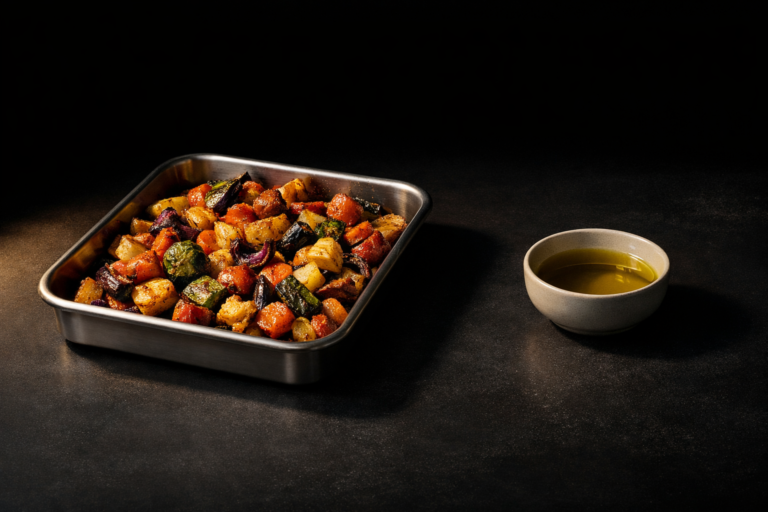
3. Sheet pan or tray bake dinner
When you want minimal washing up, roasting a full meal on one tray is hard to beat.
Core formula: protein + sturdy vegetables + oil + seasoning + hot oven.
Basic method:
- Heat the oven to 220°C (425°F).
- Cut vegetables into similar sizes so they cook evenly.
- Toss potatoes, carrots, cauliflower, onions, or squash with oil, salt, and pepper.
- Add chicken pieces, fish fillets, sausages, tofu, or chickpeas, depending on cooking time.
- Roast until the vegetables are tender and the protein is properly cooked.
- Finish with lemon, yogurt sauce, herbs, or chili flakes.
Best practice: Do not crowd the tray. If ingredients are packed too tightly, they steam instead of roast.
Safety note: Use a food thermometer when helpful, especially for chicken and other meats. Keep raw meat and its juices away from foods that will not be cooked further.
4. Omelet, frittata, or scrambled egg dinner
Eggs can become dinner in minutes and pair well with vegetables, cheese, herbs, or leftover cooked potatoes.
Basic stovetop omelet:
- Beat 2 to 3 eggs per person with a pinch of salt.
- Cook onions, greens, mushrooms, or tomatoes in a lightly oiled pan.
- Add the eggs over medium-low heat.
- Pull the cooked edges inward gently and let uncooked egg flow outward.
- Add cheese or herbs if using, fold, and serve.
For a frittata: Start the same way, then finish in the oven at 190°C (375°F) until set.
Easy sides: salad, toast, roasted vegetables, or cooked beans.
5. Soup that eats like a meal
A good dinner soup should be filling, not thin and forgettable. Build it with vegetables, beans, lentils, noodles, grains, or shredded chicken.
Basic method:
- Sauté onion, leek, garlic, or celery in oil.
- Add spices or tomato paste and cook briefly.
- Add vegetables, beans, lentils, or stock.
- Simmer until the main ingredients are tender.
- Add quick-cooking greens, noodles, or cooked rice near the end.
- Taste and adjust with salt, pepper, lemon, or herbs.
Easy variations:
- Lentil and tomato soup
- Chicken, vegetable, and noodle soup
- Bean soup with greens and parmesan
- Blended carrot or squash soup with yogurt
Safety note: Hot soup can splatter, especially when blended. Let it cool slightly, avoid overfilling a blender, and follow the appliance instructions for hot liquids.
6. Curry or simmer sauce dinner
A gentle curry or spiced simmer sauce is one of the best ways to turn pantry items into dinner.
Core formula: aromatics + spices or curry paste + protein or legumes + liquid + vegetables.
Basic method:
- Cook onion in oil until soft.
- Add garlic, ginger, and spices or paste; cook briefly.
- Add chickpeas, lentils, chicken, fish, tofu, or vegetables.
- Pour in tomatoes, coconut milk, or stock.
- Simmer until the ingredients are cooked through.
- Finish with herbs, yogurt, or lime and serve with rice or flatbread.
Useful tip: Spices taste fuller when briefly cooked in oil, but do not let them burn.
7. Grain bowl or salad bowl
These are especially helpful when different people want different toppings or when you need to use leftovers.
Core formula: grain or greens + protein + vegetables + something crunchy + dressing.
Simple combinations:
- Rice, roasted vegetables, fried egg, and chili yogurt
- Quinoa, chickpeas, cucumber, tomatoes, and lemon dressing
- Greens, potatoes, tuna, olives, and vinaigrette
- Noodles, tofu, shredded vegetables, and sesame dressing
Make it better: Include at least one warm element and one fresh element for contrast.
8. Stir-fry noodles
Noodles cook quickly and feel satisfying with very little effort.
- Cook noodles according to the package and rinse if needed to prevent sticking.
- Stir-fry vegetables in a hot pan with oil.
- Add tofu, shrimp, chicken, or keep it vegetable-based.
- Add noodles and a simple sauce made from soy sauce, garlic, a little sweetener, and acid.
- Toss until hot and coated.
Safety note: If using gas, keep pan handles turned inward and watch for flames around light oils or splashes. For induction or electric cooktops, remember the surface may stay hot after cooking.
How to choose the right dinner for the night
The easiest dinner is the one that fits your time, energy, and ingredients.
When you have 15 minutes
- Omelet or scrambled eggs with toast
- Quick pasta with garlic, greens, and cheese
- Stir-fried noodles with frozen vegetables
When you have 30 minutes
- Fried rice
- Tomato-based pasta
- Bean soup
- Simple curry
When you want almost no effort
- Tray bake dinner
- Baked potatoes with toppings
- Grain bowls from leftovers
When the fridge looks nearly empty
- Lentils or beans with onions and spices
- Pasta with olive oil, garlic, and breadcrumbs
- Egg dinner with any remaining vegetables
Pantry and freezer staples that support easy dinner recipes
You do not need a huge pantry, but a few basics make dinner much easier.
Useful dry goods
- Pasta, rice, noodles, and oats
- Canned tomatoes
- Beans, chickpeas, and lentils
- Stock cubes or powder, if you use them
- Olive oil or another cooking oil
- Salt, black pepper, chili flakes, and a few favorite spices
- Vinegar, soy sauce, and mustard
Useful fridge items
- Eggs
- Onions and garlic
- Lemons or limes
- Yogurt or hard cheese
- Carrots and sturdy greens
Useful freezer items
- Frozen peas, spinach, or mixed vegetables
- Frozen fish fillets or cooked beans
- Bread for quick toast dinners
Check local food labeling and storage guidance where you live, as recommendations and product formulations can vary by region.
Kitchen habits that make dinner easier
Read the whole recipe first
Even easy meals go more smoothly when you know the order of work.
Prep before turning on the heat
For fast dishes such as stir-fries, chopped ingredients should be ready first.
Clean as you go
Wash a board or bowl while onions soften or water boils. It reduces end-of-meal cleanup.
Taste at the end
A final taste often tells you whether the dish needs more salt, acid, or richness.
Use leftovers safely
Cool food promptly, refrigerate in shallow containers when possible, and reheat thoroughly until piping hot. If food smells off or you are unsure how long it has been stored, do not risk it.
Common mistakes and how to avoid them
Undersalting the cooking water
Pasta, potatoes, and grains need seasoning early, not only at the end.
Using heat that is too high
Garlic, spices, and dairy can burn or split. Moderate heat often gives better flavor.
Overcrowding the pan
This causes steaming instead of browning. Cook in batches if needed.
Adding delicate ingredients too soon
Fresh herbs, lemon juice, and leafy greens usually belong near the end.
Expecting every dinner to be identical
Ingredients vary in moisture, size, and strength. Adjust as you cook instead of chasing exact sameness.
A simple 7-day easy dinner plan
- Day 1: Tomato pasta with a green salad
- Day 2: Fried rice with eggs and peas
- Day 3: Tray bake chicken or chickpeas with vegetables
- Day 4: Lentil soup with toast
- Day 5: Vegetable omelet with roasted potatoes
- Day 6: Coconut tomato curry with rice
- Day 7: Grain bowls using leftovers from the week
This kind of plan saves effort because ingredients overlap. Onions, rice, greens, herbs, yogurt, and lemons can appear in several dinners without feeling repetitive.
Frequently asked questions
What is the easiest dinner for a beginner to start with?
Pasta with a simple pan sauce is often the easiest starting point. It teaches timing, seasoning, and how to combine a few ingredients into a complete meal.
How can I make easy dinners healthier without making them complicated?
Add more vegetables, use beans or lentils more often, include whole grains when you like them, and finish rich dishes with fresh herbs or lemon for balance.
Which dinners are best for using leftovers?
Fried rice, grain bowls, soups, omelets, and stir-fried noodles are especially good for leftover vegetables, cooked grains, and small amounts of protein.
How many easy dinner recipes should I know well?
Start with five to eight. If you can confidently cook pasta, soup, eggs, a tray bake, fried rice, and a curry, you can make a wide range of dinners.
Can easy dinner recipes still be good for guests?
Yes. A well-seasoned tray bake, a generous pasta, or a finished-at-the-table grain bowl can feel relaxed and welcoming without being fussy.
Conclusion
The best easy dinners are not about cutting corners. They are about knowing a few dependable methods so dinner feels manageable on ordinary days. Master these core recipes, keep a few flexible staples on hand, and you will be able to cook with more confidence, less waste, and far less stress.