If you have wondered what is bento box, the short answer is simple: it is a single-portion packed meal, traditionally from Japan, arranged neatly in a box with separate sections for different foods. A bento is practical, but it is also about balance, appearance, and making a meal satisfying to eat away from the table.
Today, bento boxes are used around the world for lunches, picnics, school meals, and meal prep. Some are very simple, with rice and one or two side dishes. Others are carefully arranged with vegetables, protein, fruit, and small condiments. Understanding bento helps you see it as more than a container. It is both a style of meal and a way of thinking about portioning, variety, and presentation.
What is bento box in simple terms?
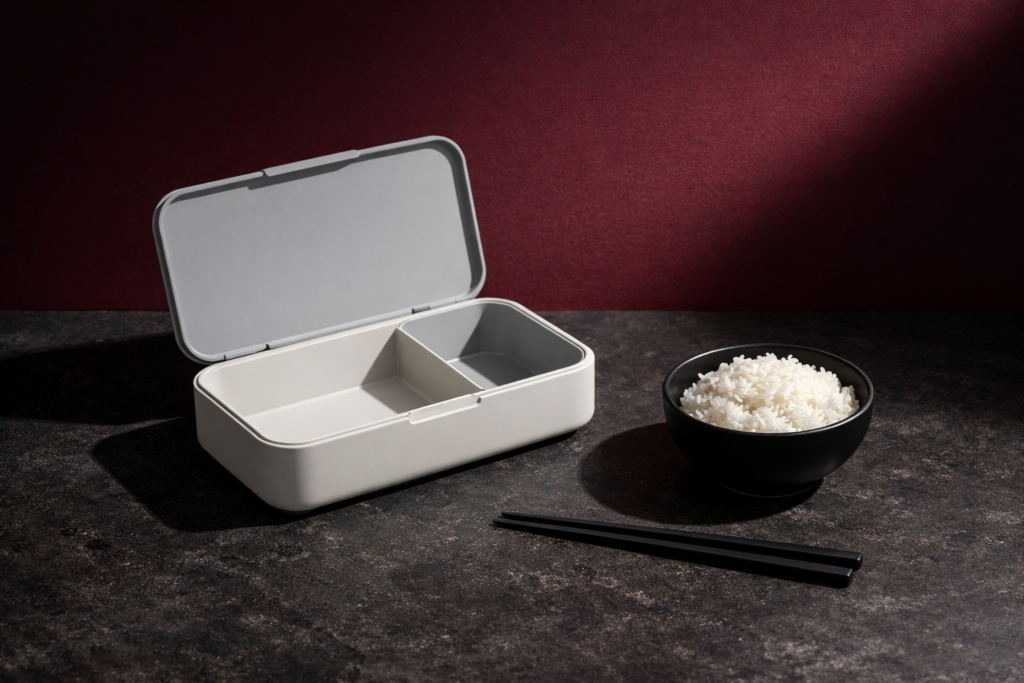
A bento box is a container that holds a complete meal in separate parts. The meal itself is also called a bento. Instead of mixing everything together, foods are portioned and placed side by side, often in a compact, tidy layout.
A classic bento commonly includes:
- A staple, such as rice, noodles, or sometimes bread
- A protein, such as fish, chicken, egg, tofu, or beans
- Vegetables, cooked, pickled, or raw depending on the dish
- Small extras, such as fruit or a simple dessert
The goal is not only nutrition. A good bento should also travel well, taste good at room temperature or slightly cool, and stay appealing until it is time to eat.
Where bento comes from
Bento has deep roots in Japanese food culture. Packed meals have existed in Japan for centuries, evolving from simple portable food for travel and work into more refined meal boxes for everyday use, train journeys, school lunches, and special occasions.
Over time, different forms of bento developed. Some were practical and plain, while others were elegant and seasonal. This range still exists now. You can think of bento as covering everything from a quick homemade lunch to a carefully composed meal designed to celebrate ingredients, color, and season.
As bento spread globally, the term started to describe both traditional Japanese-style packed meals and compartment lunch boxes inspired by them. That wider use is common, but the original idea still matters: a balanced, portable meal made with care.
What makes a meal a bento?
Not every lunch packed in a box is a bento in the traditional sense. What sets bento apart is the combination of structure, balance, and presentation.
Separate components
Bento usually keeps foods distinct. This may be done with built-in compartments, small cups, dividers, or careful placement. Separation helps preserve texture and prevents strong flavors from spreading too much.
Balanced portions
A bento is often planned so that no single item dominates the meal. Rice may take up the largest space, but side dishes are chosen to complement it in flavor, texture, and color.
Foods that travel well
Bento is designed to be carried. That means dishes are usually less soupy, less messy, and less fragile than foods meant to be eaten immediately after cooking.
Visual appeal
Appearance matters. A bento does not need to be decorative or elaborate, but it usually looks orderly and inviting. Color contrast is especially important, such as white rice, green vegetables, yellow egg, and darker protein.
Common foods found in a bento box
There is no single fixed menu, but some foods appear often because they pack well and keep their texture.
Staples
- Steamed rice
- Seasoned rice balls
- Noodles, usually packed separately from excess sauce
- Sandwiches in more modern or fusion-style bentos
Proteins
- Grilled or fried fish
- Chicken, including small fried pieces or glazed slices
- Egg dishes, especially rolled omelet
- Tofu or soy-based foods
- Beans or legumes in non-traditional versions
Vegetables and sides
- Blanched greens
- Roasted or sautéed vegetables
- Pickled vegetables
- Seaweed salads or seasoned seaweed
- Potato or root vegetable dishes
Extras
- Fresh fruit
- A small sweet item
- Condiments in tiny separate containers
Many bento foods are intentionally bite-sized. This makes them easier to pack tightly, eat neatly, and portion evenly.
Different types of bento boxes
The phrase “bento box” can refer to several kinds of containers. The right one depends on what you pack and how you plan to carry it.
Single-tier boxes
These are shallow and easy to organize. They work well for simple lunches with rice, vegetables, and one protein.
Two-tier or stacked boxes
These create more separation between foods and can help prevent delicate items from being crushed. They are useful when you want to keep rice apart from moist side dishes.
Compartment boxes
These have built-in divisions. They are convenient for meal prep and for people who like firm boundaries between foods.
Traditional wooden-style boxes
Some bento boxes are made from wood or wood-like materials. They can be beautiful and may help with moisture balance, depending on construction and finish. Care instructions vary, so always check the maker’s guidance.
Insulated or modern lunch boxes
These are designed for convenience and may include seals, utensils, or insulated layers. Features differ by region and manufacturer, so check whether a box is leak-resistant, microwave-safe, dishwasher-safe, or suitable for hot foods.
How bento differs from an ordinary lunch box
A lunch box is mainly the container. Bento is more of a meal format and tradition.
For example, you can pack leftovers in a box and call it lunch. It becomes more like a bento when you portion the meal intentionally, separate components, think about balance, and choose foods that hold up well during transport.
That does not mean bento must be strict or formal. It can be very simple. The difference is mostly in the planning: a compact meal with several complementary parts rather than one random collection of foods.
How to pack a bento box well
Packing a bento is easier when you follow a clear order.
- Choose the staple first. Add rice, noodles, or another base to anchor the meal.
- Add the protein. Place it in a main section where it can stay stable in transit.
- Fill gaps with vegetables. Use side dishes to add color and variety.
- Use separators if needed. Silicone cups, leaves made for food presentation, or built-in dividers help keep items apart.
- Pack tightly but not crushed. A snug fit helps food stay in place when carried.
- Add extras last. Fruit or a small treat can go into the remaining spaces if they will not make other foods wet.
One simple visual rule is to include several colors. White, green, red, yellow, and brown can naturally appear through common ingredients without making the meal complicated.
Food safety when making bento
Food safety matters because many bentos are carried for hours before eating. The exact risks depend on climate, room temperature, and the ingredients used.
Cool hot food before closing the box
Let cooked food stop steaming before sealing it. Trapped steam creates condensation, which can make food soggy and less safe over time.
Be careful with high-risk ingredients
Foods containing meat, fish, eggs, dairy, or cooked rice need sensible handling. In warm conditions, use an insulated bag and a cold pack if the meal will not be refrigerated. Local food safety guidance can vary slightly, so check official advice where you live.
Avoid excess liquid
Soupy dishes and wet salads are harder to transport safely and can affect the texture of the whole meal. Drain or cool foods well before packing.
Use clean tools and containers
Wash hands, knives, cutting boards, and the box thoroughly. If preparing for someone with food allergies, prevent cross-contact carefully and label ingredients if needed.
Reheat properly when appropriate
If the bento is meant to be reheated, make sure the container is safe for microwave use. Not all boxes are. Remove lids or seals if the manufacturer’s guidance says to do so.
Safety note: Sharp skewers, cocktail picks, or decorative food picks can be a hazard for young children. If packing a child’s bento, use age-appropriate accessories or avoid them entirely.
Can a bento box be traditional and modern at the same time?
Yes. Bento has always adapted to daily life. While many people associate it with Japanese home cooking, the format works with many cuisines and dietary patterns.
You might pack a classic rice-based bento one day and a more international version the next, such as couscous with roasted vegetables, flatbread with dips in separate sections, or pasta salad kept apart from crunchy toppings. The key is the same: balance, portability, and tidy arrangement.
This flexibility is one reason bento remains popular. It supports leftovers, seasonal eating, vegetarian meals, higher-protein lunches, and portion-conscious meal planning without requiring a single fixed recipe.
Tips for making a satisfying bento at home
If you are new to bento, keep it straightforward.
- Start with foods you already enjoy eating cold or at room temperature.
- Use leftovers, but repack them with intention instead of piling them in.
- Choose at least one fresh or bright element, such as fruit, cucumber, or lightly cooked greens.
- Cut foods into smaller pieces so they fit neatly and are easy to eat.
- Do not overfill with sauce. Pack sauces separately if possible.
- Think about texture: soft rice, crisp vegetables, tender protein, and something pickled can work well together.
If you make bento regularly, a few reusable dividers or small cups can help with organization, but they are not essential. Good packing matters more than accessories.
Why people enjoy bento
Bento combines practicality with pleasure. It can help reduce waste by using leftovers efficiently, support more balanced lunches, and make packed meals feel more thoughtful.
For many people, the appeal is also emotional. A carefully packed meal can feel calm, comforting, and personal. Even a simple bento suggests that someone paid attention to what the meal would be like to eat later.
That is a big part of its staying power. Bento is not only food in a box. It is a compact meal designed to travel well and still feel complete.
Frequently asked questions
Is a bento box always Japanese food?
No. Bento comes from Japan, but the format can be used for many cuisines. What makes it bento-like is the balanced, compartmentalized packed meal rather than one specific recipe list.
Do you eat bento hot or cold?
Usually cool or at room temperature, though some foods may be reheated if the container and storage method allow it. Always follow safe food handling practices.
Does a bento box need compartments?
Not necessarily. Built-in compartments are helpful, but small cups or careful arrangement can separate foods in a plain box just as well.
What foods should you avoid in a bento?
Very wet, highly perishable, or strongly leaking foods are less suitable unless packed carefully and kept at a safe temperature. Soups and heavily dressed salads are often better in separate containers.
Can you make a vegetarian bento?
Yes. Rice, tofu, beans, eggs if included in your diet, vegetables, fruit, and pickles all work well in a vegetarian bento.
Conclusion
A bento box is a compact, organized meal built around balance, portability, and presentation. Once you understand what it is, making one becomes less about rules and more about thoughtful packing: a staple, a protein, vegetables, and foods that stay appetizing until lunch. Whether you keep it traditional or adapt it to your own kitchen, bento is a practical and satisfying way to pack a meal.